Daniel Persson's 240 kg Deadlift Update on the Road to 250 kg
In this Behind the Design session, Daniel Persson and Brandon Gallagher share a real update from Daniel's push toward a 250 kg deadlift. The headline is clear: after about four months of focused work, Daniel pulled 240 kg for a heavy single, moving his goal from "someday" into "close
If you've ever looked at a workout and thought, "This seems simple, but it's going to hurt," you already understand part of what great program design does. The goal is intent, not novelty.
In this Behind the Design session, the coaches walked through several real examples Daniel Persson has been sharing. Daniel and Brandon Gallagher discuss the coaching thinking behind them), from competition prep to coming back from injury.

Chasing a big deadlift goal is simple to describe, but hard to execute. You need the right training stress, enough recovery, and a plan you can actually repeat week after week.
In this Behind the Design session, Daniel Persson and Brandon Gallagher share a real update from Daniel's push toward a 250 kg deadlift. The headline is clear: after about four months of focused work, Daniel pulled 240 kg for a heavy single, moving his goal from "someday" into "close enough to taste."
A quick show update, plus what the coaches had going on
The live show shifted times because of the daylight savings split between states. Arizona does not change clocks, so the stream moved from 10:30 a.m. Eastern to 11:30 a.m. Eastern (at least until the next time change).
A few other updates came up before the training talk:
- Brandon mentioned a new episode of the BG Perform podcast, and you can keep up with his work through Brandon Gallagher's Instagram (@bgperform_).
- The OPEX Method Mentorship hit week nine, with content strategy in week nine and marketing systems in week 10. The program was described as a group of about 40 soon-to-be OPEX coaches. (If you want the details, the official page is the OPEX Method Mentorship program.)
- Daniel shared some everyday context too. He got a run in, and he is still getting settled after a move, including building out a home office. The "I'll be fully set up in a week" plan rarely survives contact with reality.
Then the episode turned to the main event: Daniel's deadlift progress, what changed since the last update, and what the next phase looks like.
The goal: 250 kg, and why that number matters to Daniel
The target is a 250 kg deadlift. For Daniel, that would put him over 3x bodyweight, which is a line he has been close to before but has not locked in yet. He also pointed out a practical detail: he does not have much room to drop body weight, so the goal makes sense as a strength target, not a "cut weight and hope" plan.
When Daniel and Brandon started this training push, Daniel's working reference point for a max deadlift was not fresh. The number discussed early on was around 220 kg, but it had been a while since he had tested, so the first block involved finding the right training intensities and building momentum with clean reps.
Two months before this episode (the prior update was around January 6), Daniel was still in a build phase. Since then, the work moved into heavier doubles and singles. Last Monday, Daniel pulled 240 kg for a heavy single. It felt good, and it also gave them something more valuable than hype: a clear, current number to plan from.
Brandon also framed something many lifters recognize. A heavy deadlift session leaves a different kind of fatigue. It is not just sore muscles. You often feel it in your whole system, and it can feel both draining and satisfying at the same time.
Heavy deadlifts create a unique mix of fatigue and confidence. You feel the cost, but you also feel the progress.
That "cost" is also why the weekly structure matters. You cannot pile everything on top of a deadlift peak and expect steady progress.
Why the weekly program stayed simple (and why that helped)
A big theme in this update was efficiency. Daniel's week did not turn into six days of lifting and "just add more." Instead, the plan kept a tight focus: two serious strength sessions, one bodybuilding day, and running maintained on its own days.
Here's the structure they described, including the flexibility around the pump day depending on travel and coaching schedule.
DayFocusNotesMondayHeavy deadlift priority dayPlaced after two weekend rest days for better recovery and focusTuesdayConditioning (running)Maintains running ability without stealing from heavy lifting daysWednesdayUpper body strength focusSecond "get after it" session of the weekThursdayConditioning (running)A second running day to keep consistencyFriday (or Saturday)Bodybuilding pump dayFlexible based on schedule, travel, and coaching workWeekendRest (plus an optional run later on)Built to protect Monday performance
Two parts of this stood out.
First, Daniel liked having the hardest sessions early in the week, both for logistics and for headspace. Monday and Wednesday were the most consistent training days in his schedule, while Fridays could change because of travel or coaching projects. Even more important, hitting the priority session on Monday meant he did not spend half the week thinking about it.
Second, both coaches called out a common coaching trap. Some programs get stuffed with extra work to "look like more." Daniel made the point clearly: individual design often reduces volume because the plan only keeps what helps the goal. You can do a lot with two high-quality strength sessions if they are targeted and executed well.
Brandon estimated Daniel's sessions at about 1 hour to 1 hour 15 minutes, plus around 45 minutes for running days. The takeaway was not that training time is bad. It was that more time does not automatically mean more progress, especially when the main lift is as demanding as the deadlift.
How the deadlift progression moved from volume to heavy singles
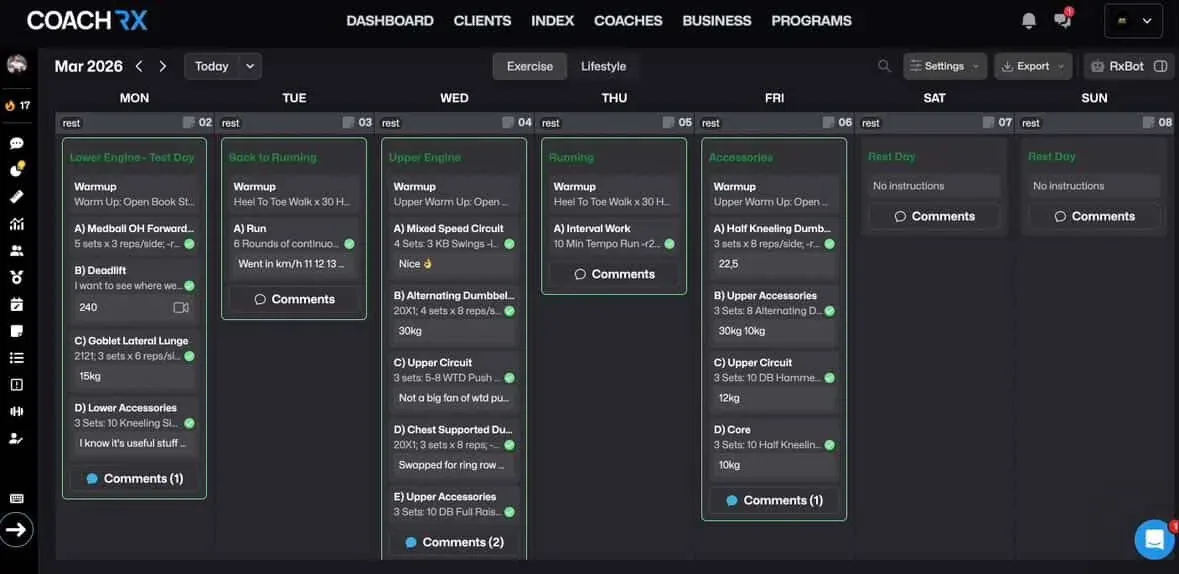
The deadlift work followed a clear arc: build a base, raise intensity, transition to singles, then test. Brandon stressed that the early phase matters because it sets up the later heavy work. Skipping that foundation often shows up later as missed lifts, sloppy reps, or stalled progress.
Phase 1: Base work before chasing intensity
Early on, Daniel spent time in higher rep ranges, then moved toward lower reps as intensity rose. Brandon described this as a condensed conjugate approach in weekly structure, with explosive work placed early in lifting sessions.
The point of this phase was not to "go light." It was to create consistent exposure, build skill, and prepare Daniel to handle heavier stress later without getting buried.
Phase 2: Pushing percentages and introducing singles
After the base was in place, the work climbed into heavier percentage ranges. Brandon described working around the low-to-mid 80 percent range, then pushing into the mid-to-high 80s as the block progressed.
A key coaching move showed up during a pullback week: that is when Brandon introduced new movements. The logic was simple. If you introduce a new tool during a lower-stress week, the athlete can learn it without the pressure of loading it heavy immediately.
That mattered for two accessories mentioned in the episode:
- Reverse hyper: Daniel had to figure out how to set it up in his gym, and it did not feel great at first.
- Sandbag work: Added as a strongman-style stimulus for grip, upper back, and total-body strength.
As the deadlift got closer to test readiness, they started using combinations like doubles followed by singles. Brandon gave a useful reason: the mental and physical feel of a single is different than a double or triple. If you want someone to express a true heavy single, they need practice being in that "one rep, go now" mindset.
They also mentioned a "good mistake" along the way. Daniel miscalculated one week and jumped to 200 kg earlier than planned. Since it moved well, it became a positive signal, not a problem.
Phase 3: The week before testing, and why it built confidence
The week before the test was one of Daniel's biggest takeaways. Brandon programmed three singles at 214 kg, which Daniel said felt great. That session did two things at once:
- It touched meaningful intensity without creating a lot of fatigue.
- It built confidence heading into the heavy day.
Brandon compared it to a fight week approach used with fighters: keep the pattern sharp, touch intensity, then get out before you create extra stress.
Test day: From warm-up jumps to 240 kg
On the heavy single day, Brandon laid out jumps like:
- 1 rep at 205 kg
- 1 rep at 220 kg
- 1 rep at 220 to 230+ kg (build based on how it feels)
- Then go for the next heavy attempt
Daniel hit 240 kg. It was not a casual rep, and he had to fight for it, especially because he had not touched weights above 220 in a long time. Even so, it moved, and it gave them the new anchor point they needed.
One more detail matters here: Daniel and Brandon said there were no failed reps across four months of deadlift-focused training. Some people take that as "not pushing hard enough," but Brandon framed it as accurate loading, steady momentum, and consistent wins.
What the 240 kg video showed, and what they're fixing next
When Brandon pulled up the 240 kg video, the first thing he liked was the pull off the floor. The bar moved well early. The place that slowed down was closer to lockout, after the knee.
Brandon highlighted the last portion of the rep as the likely sticking point to address for the push from 240 kg to 250 kg. Daniel agreed the rep felt heavier after the knees than he expected, even though his past experience told him he usually locks it out once he clears that point.
They also pointed out something important for lifters and coaches: weaknesses can change with load. A rep at 60 to 70 percent might expose one issue, while a max effort attempt can reveal a different limiter.
So the next plan was not "deadlift heavy again next week." Instead, they decided to take a short step back from heavy deadlifts and build the muscles and positions that should support a stronger finish.
The emphasis for the next couple weeks:
- More posterior chain volume through other patterns (glutes, hamstrings, erectors).
- Movements like good mornings (they swapped from Zercher bar work to a sandbag variation due to comfort and setup), hip thrusts, and RDLs.
- Accessory work for adductors and abductors.
The thinking was direct: if the lockout is the best guess, getting stronger there will not make the deadlift worse.
Coaching takeaways: feedback, coachability, and not bending on principles
A big chunk of the episode was really about coaching, not just training. Daniel talked about the balance between giving feedback and staying coachable. Some movements will feel awkward at first. If you pull them out too fast, you might lose a tool that would help once you learn it.
The reverse hyper was the example. Daniel's default in the past might have been to drop it if it did not feel good. Brandon pushed him to give it another week, adjust the setup, and try again. Daniel did, and it ended up working.
Brandon also addressed the coach's side of the relationship. Early-career coaches can slip into people-pleasing, changing anything the client dislikes. Over time, that can dilute the program and attract clients who want to run the show.
Daniel added a blunt but useful point: coaching is not about selling "more sessions" or more volume. It is about moving the person toward the goal with the least wasted work. In other words, fewer sessions done with intent can beat a packed schedule full of extra exercises that do not push the priority forward.
They both agreed that coaches benefit from having coaches. It keeps the client experience real, and it builds the habit of staying open to new ideas.
The next phase: closing the 10 kg gap to 250 kg
After hitting 240 kg, the plan is to treat that number as the new baseline. Instead of chasing another test right away, Daniel and Brandon plan to rebuild through phases again, using the same process, but anchored to a stronger current max.
They also mentioned a running update. Daniel enjoys running, and they started building a more structured run progression on Tuesday and Thursday, plus an optional longer run on Sunday. The optional piece matters because they still want the weekend to protect the Monday deadlift session.
This is where individual design shows its value. Once you have real data, you stop guessing and start aiming. The gap from 240 kg to 250 kg is only 10 kg, but it is also more specific than the earlier jump.
Deadlift cues they trust (plus the only sumo joke you'll need)
When asked for favorite deadlift cues, the answers were simple:
Daniel's go-to coaching cues were:
- Start like a leg press: push the floor away.
- Finish with the hips: squeeze the hips through past the knees, using the hip thrust as a reference for what "lockout" should feel like.
Then they wrapped with the classic debate: sumo or conventional. Brandon's answer was clear and comedic: "Sumo's not real."
A quick shoutout also went to Daniel's CoachRx shirt, part of the CoachRx swag mentioned as available through the OPEX shop.
Conclusion: 240 kg is progress, and the method is the point
Hitting 240 kg after four months is a win on its own, but it is also proof the process is working. The structure stayed simple, the execution stayed consistent, and the coaching stayed honest. Now Daniel and Brandon can rebuild with better data, bring up the lockout, and take a real run at 250 kg.
If there's one lesson that applies to almost every serious strength goal, it's this: precision beats piling on more work.
Connect with the coaches
- Brandon Gallagher:Brandon’s Instagram (@bgperform_)
- Daniel Persson:Daniel’s Instagram (@danielcapersson)
Join us live on Tuesdays mornings 11:30am EST on the OPEX YouTube Channel
Start your free 14-day CoachRx trial and bring principled programming, habit tracking, and high-touch communication all in one seamless coaching command center.

More in Program Design.
Deliver the coaching
you're capable of.
Try CoachRx free and see what changes when every part of your practice is in the same place.